
Understanding Luck in Gambling
Luck is often perceived as a mystical force that influences outcomes in various aspects of life, including gambling. In a casino setting, players frequently attribute their wins or losses to luck, a concept that permeates the gaming culture. This belief can significantly impact a player’s mindset, influencing how they approach different games and their overall experience, particularly when they explore an online casino for the first time. For example, a player who feels lucky may take more risks, while someone convinced of their misfortune may play conservatively.
The psychological aspects of luck can also play a crucial role during gameplay. Many players exhibit behaviors that suggest they believe in luck, such as carrying lucky charms or wearing specific outfits when visiting a casino. These rituals may enhance their confidence, affecting their performance in games like poker or blackjack. The interplay between psychology and luck indicates that belief in one’s fortune can enhance the gaming experience, regardless of the actual odds.
Moreover, understanding luck goes beyond mere superstitions; it intersects with the mathematics and probability inherent in casino games. Every game has its odds, and while luck can sway outcomes in the short term, the long-term results are dictated by statistical probabilities. Therefore, while players may indeed feel lucky during a winning streak, the reality is that consistent wins usually align more with sound strategies and understanding of the games involved.
The Role of Skill in Casino Games
While luck plays a significant part in gambling, skill cannot be overlooked. Many casino games require a strategic mindset and knowledge of the rules to improve a player’s chances. For instance, poker is a game where skill directly influences success. Players must not only know the odds of different hands but also be adept at reading opponents and bluffing to maximize their winnings. This demonstrates that while luck might dictate who wins a particular hand, consistent skill development is key to long-term success.
In games like blackjack, strategy can significantly alter the probability of winning. Players can utilize strategies such as card counting to shift the odds in their favor. This highlights the reality that, while luck may affect individual games, skill-based strategies ultimately lead to more favorable outcomes over time. Therefore, casinos are spaces where both skill and luck coexist, often leading to various experiences for players based on their approach to the games.

Additionally, relying solely on luck can be detrimental. Players who think they can win purely by chance may neglect essential strategies, resulting in losses. Responsible gambling involves incorporating game knowledge and strategic planning alongside any belief in luck. This balance can lead to a more enjoyable and potentially lucrative experience, as players learn to navigate both the elements of chance and the necessity for skill.
The Social Aspect of Gambling and Luck
The social dynamics of gambling can also influence perceptions of luck. When players gather around a table, the shared experience tends to amplify feelings of excitement and hope. Whether it’s the collective gasps of anticipation during a slot machine spin or the cheers when a player wins at the craps table, these moments create a communal sense of luck. The atmosphere can enhance individual experiences, as players feel more fortunate when surrounded by others who share their excitement and joy.
Moreover, stories of improbable wins and lucky streaks circulate among players, further embedding the idea of luck within the casino culture. These narratives often inspire newcomers, creating a belief that a lucky day could be just around the corner. This social reinforcement of luck not only shapes individual player experiences but also drives the popularity of certain games based on perceived lucky outcomes. Understanding this social aspect can lead to a greater appreciation of how luck is not only a personal experience but also a shared phenomenon within casino environments.
However, it’s essential to remain mindful of the influence of social environments on gambling behavior. The excitement shared among players can sometimes lead to risky behaviors, diminishing the importance of responsible gaming. Players should engage in games while maintaining awareness of their limits, leveraging the positive social interactions without letting the excitement cloud their judgment. In doing so, they can cultivate an enjoyable casino experience rooted in both luck and responsible gambling practices.
Luck Versus Strategy in Different Games
The type of game played greatly determines the relationship between luck and strategy. For example, in slot machines, luck is predominantly the driving force behind a player’s success. The outcome of each spin is random, and no amount of skill can influence the result. This reliance on chance can be thrilling but also means that players must acknowledge the inherent risk of loss. Understanding this nature of slot machines can help players manage their expectations and enjoy the experience more fully.
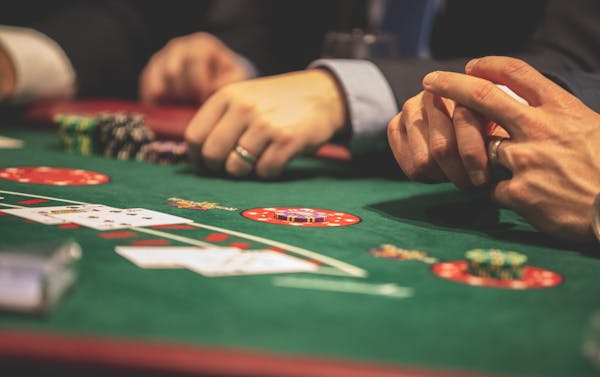
Conversely, in games like poker and blackjack, players can employ strategies that decrease the role of luck significantly. Skillful players who are knowledgeable about odds, betting patterns, and psychological tactics can consistently outperform those relying solely on luck. This dichotomy illustrates that while luck may play a role, the strategic elements can vastly enhance a player’s chances of success. Players looking for a more skill-based experience often gravitate toward these games, where they feel their decisions can make a tangible difference in outcomes.
Ultimately, each game presents a unique blend of luck and strategy, offering varying experiences for players. Understanding these dynamics can help players choose games that align with their preferences, whether they seek a pure chance experience or one that allows for skillful engagement. Recognizing the balance between these elements fosters a deeper understanding and appreciation of the special qualities presented by each game at the casino.
Finding Your Balance: Luck and Personal Experience
As players engage with the concept of luck, they must also balance it with personal experience and reflection. Every individual’s journey through a casino is unique, shaped by their interactions, wins, and losses. This personal narrative can influence how one perceives luck in their gaming experience. Players who have faced numerous losses may develop a cynical view of luck, while those with positive experiences can cultivate a hopeful outlook on their chances.
Moreover, players often develop their own strategies based on past experiences, whether through trial and error or through learning from others. This adaptation leads to a personalized approach to gambling, where one’s previous experiences of luck or misfortune shape their future gameplay. This personal evolution can enhance the overall experience, as players identify what works best for them, blending luck with learned strategies and insights.
Ultimately, the interplay of luck, skill, and personal experience creates a rich tapestry of gambling culture. Players can appreciate the role of chance while recognizing their journey’s intricacies. This holistic view helps cultivate a more fulfilling experience at casinos, allowing individuals to enjoy the journey, regardless of the outcomes. Embracing this balance can lead to a more rewarding relationship with gambling in all its forms.