
The Nature of Luck in Gambling
Luck is often considered one of the most essential factors in gambling, largely because of the unpredictable nature of games of chance. Whether it’s a roll of the dice, a turn of a card, or a spin of a wheel, luck plays a pivotal role in the outcome. In fact, many gamblers believe that their fortunes can fluctuate wildly based solely on luck, leading to big wins or heartbreaking losses, especially at no verification casinos where risk and reward can feel particularly intense. This belief can be as powerful as the games themselves, influencing the decisions players make and how they engage with various betting scenarios.
Moreover, the concept of luck varies from one individual to another. Some players might feel that they have “lucky” days or specific rituals that increase their chances of winning. These personal beliefs can affect their confidence and risk-taking behaviours when wagering. Conversely, others may take a more analytical approach, focusing on strategies and odds rather than relying on serendipity. This dichotomy raises an intriguing question: does luck hold the same significance for every gambler, or does it depend on personal perspective?
Additionally, the games themselves are designed with luck as a crucial component. For instance, slot machines are entirely reliant on random number generators, making them purely games of chance. On the other hand, games like poker incorporate skill and strategy alongside luck, suggesting that while luck can influence the outcome, it is not the only determining factor. Understanding the varying degrees of luck across different gambling scenarios can help players navigate their expectations and strategies more effectively.
Skill vs. Luck: Finding the Balance
The debate between skill and luck in gambling has long been a topic of discussion among players and experts alike. While luck can undeniably influence the outcome of a single game, it is the skillful application of strategies that can significantly improve a player’s long-term success. For instance, in games such as blackjack or poker, where player decisions directly affect the outcome, honing one’s skills can lead to more consistent wins over time.
Moreover, skilled players often develop an understanding of probabilities and game mechanics, allowing them to make more informed decisions. This knowledge can help them capitalize on their opponents’ mistakes or recognize when to quit. Therefore, while luck may play a role in short bursts, mastery of the games enhances the chances of sustained success. As a result, many gamblers seek to strike a balance between relying on luck and employing strategic techniques.
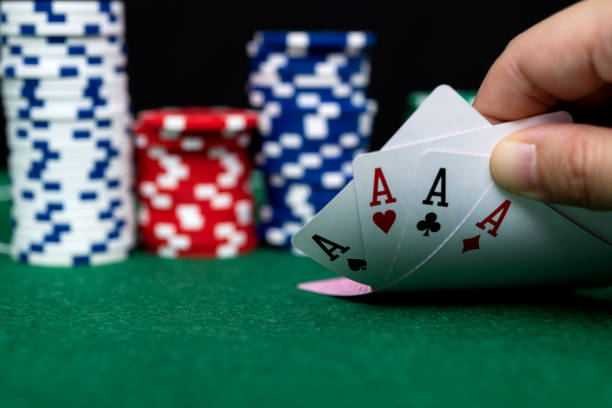
Ultimately, recognizing the interplay between skill and luck is crucial for all gamblers. While some might argue that luck is the primary driver of success, many successful players attribute their achievements to a combination of skillful play and a favorable run of luck. This recognition can help gamblers cultivate a mindset that embraces both aspects, allowing them to approach their gaming experiences with a more well-rounded perspective that can lead to more fulfilling outcomes.
The Psychological Aspects of Luck
The psychology surrounding luck in gambling is an interesting topic, as it greatly influences how players perceive their experiences and outcomes. Many gamblers attribute their wins or losses to luck as a coping mechanism, using it to rationalize their performances. This mental framework can lead to superstitious behaviours, such as carrying lucky charms or adopting specific routines before playing. Such behaviours reflect the deep-seated human need to exert control over uncertain situations, which can be especially pronounced in gambling.
Additionally, the placebo effect can play a significant role in reinforcing the belief in luck. When players feel lucky, they may exhibit more confidence during gameplay, which can affect their performance. This elevated sense of self-assurance can lead to riskier bets or more aggressive strategies, further complicating the already intricate relationship between luck and success in gambling. Consequently, a strong psychological belief in luck can drive players to pursue certain games or activities they feel will bring them fortune.
On the flip side, belief in bad luck can also have an adverse impact on a gamer’s experience. Players who consistently experience losses may begin to associate negative outcomes with specific games or times, leading to a decreased desire to participate. Understanding these psychological dimensions is vital for gamblers, as it allows them to manage their expectations and emotions effectively, ensuring they engage with gambling in a healthier and more balanced manner.
The Role of Randomness and Chance
Randomness is an inherent component of gambling and is crucial to the way games are designed. From card shuffling to the random number generation in slot machines, chance governs every aspect of gambling experiences. While players may attribute their wins to luck, the randomness that underpins these games means that outcomes are fundamentally unpredictable. This unpredictability adds a layer of excitement, which can be both alluring and intimidating for players.
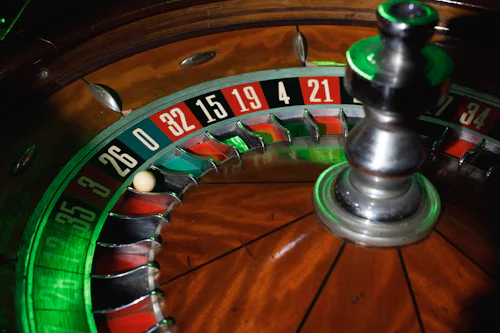
Understanding the role of randomness in gambling can help players set realistic expectations for their experiences. While luck might result in short-term victories, the inherent randomness of games ensures that long-term success is not solely dependent on it. This distinction is particularly important for players who may approach gambling with the intent of making it a reliable source of income, as the unpredictable nature of games can lead to significant financial risk without proper understanding and management.
Moreover, various games manage randomness differently. While slot machines are strictly dependent on chance, other games like roulette allow for some strategic input from players in placing bets. By understanding the mechanics of each game, gamblers can better appreciate how chance impacts their experiences. While luck may influence the immediate outcomes, recognizing the nuances of randomness can lead to more informed decisions and a deeper appreciation for the games themselves.
Conclusion: The Future of Luck in Gambling
As the world of gambling continues to evolve with advancements in technology and changing societal attitudes, the role of luck will likely remain a central topic of discussion. Online gaming platforms, virtual reality experiences, and innovations in game design all introduce new dynamics to the gambling landscape. Players must navigate these changes while maintaining an understanding of how luck interplays with skill, strategy, and psychological factors.
As more research emerges on gambling behaviour and the influences of luck, players may become better equipped to understand their own experiences. A heightened awareness of the intricate relationship between luck and success can empower gamblers to make smarter choices and foster healthier attitudes toward their gameplay. Indeed, profit-driven decisions will need to coexist with the recognition that chance plays an undeniable role in the gambling experience.
In conclusion, luck undoubtedly influences success in gambling, but it should not overshadow the importance of strategy, skill, and psychological factors. By embracing the complexity of these elements, players can establish a more balanced approach to their gaming habits and enhance their overall experience. Understanding this multifaceted relationship can lead to lasting enjoyment and potentially more favorable outcomes in the world of gambling.